
Cognitive Wellness Toolkit

Our Methodology
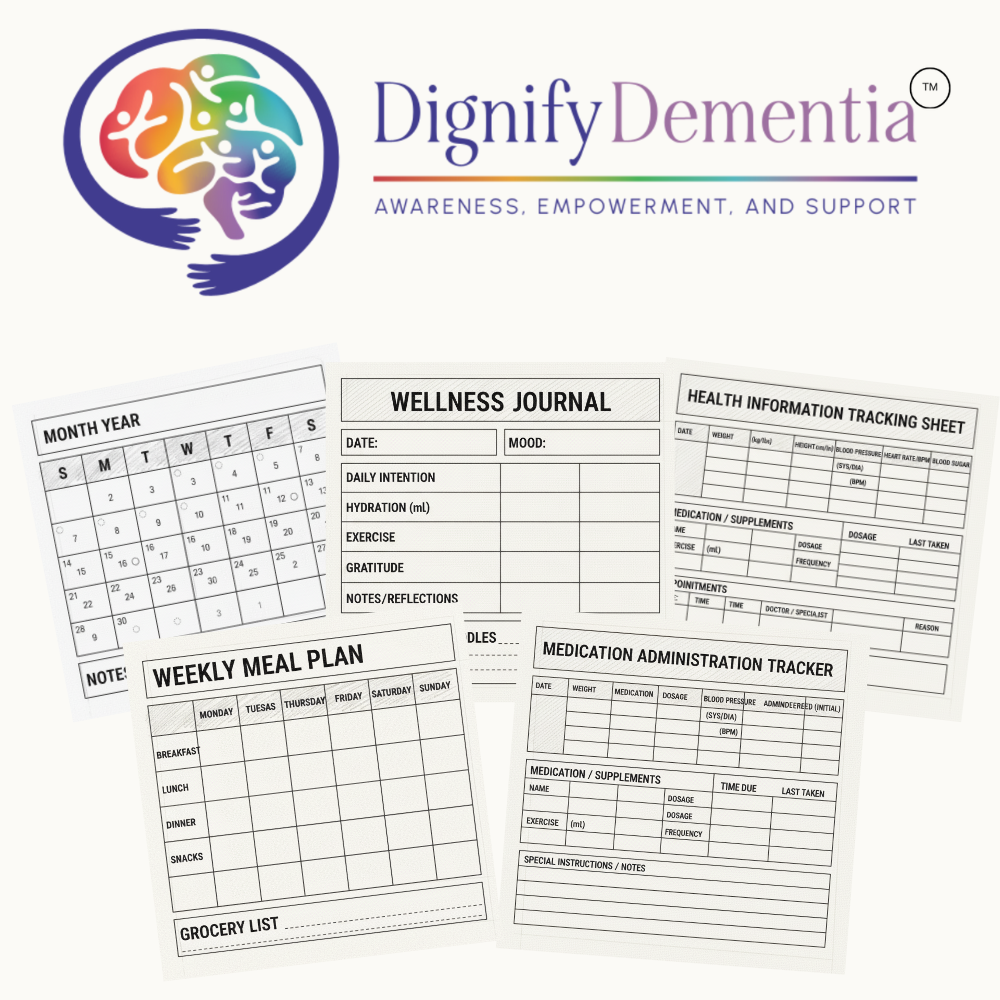
All of our products require skills that are beneficial for all of us to use daily. Reading, processing visual and tactile information, following multiple-part instructions, writing, spelling, and checking in with ourselves about how we feel physically and emotionally, for example, are useful to help stay sharp, especially with brain atrophy. that accompanies illness, injury, or even normal aging. The repeated daily use will help solidify the routine. With a variety of ways to personalize the sheet just for you, your journal will help you track valuable information such as how long you stay in bed, what you’re eating, how much water you’re drinking, and so much more. Through a series of unique illustrations, check boxes and short written descriptions by you or a care partner, you will have a daily record that reminds you of things you need to do and enjoy doing in a positive way.
The Toolkit
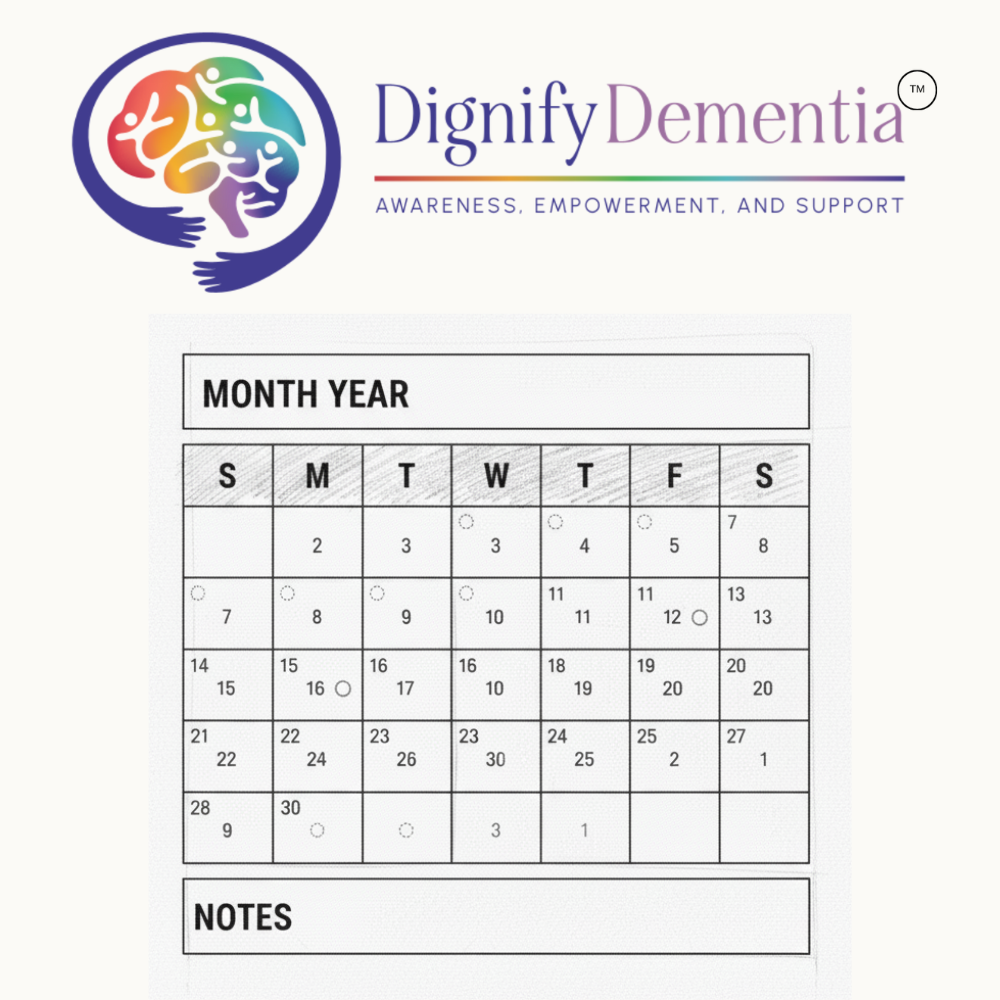
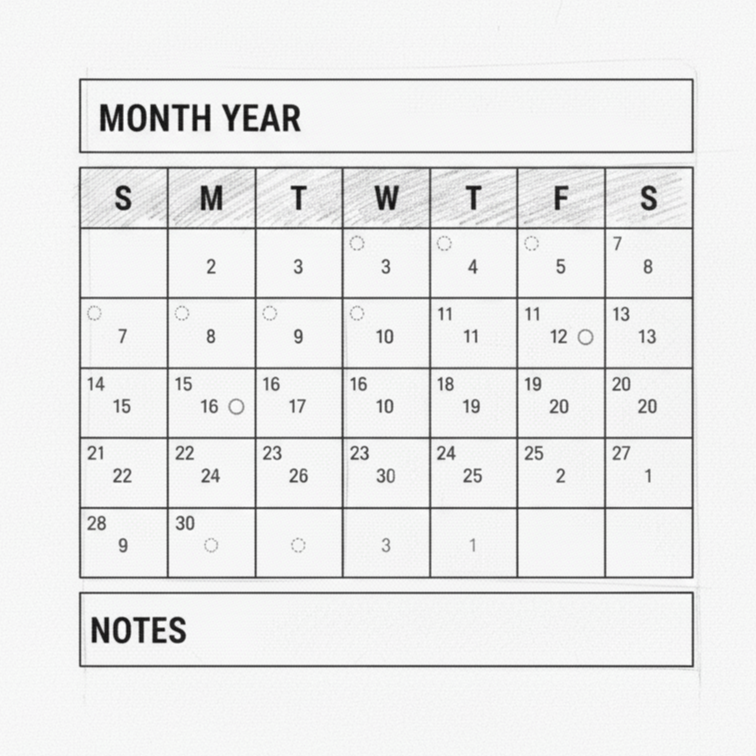
Calendar
This is the first step to the toolkit. Slip the downloaded document into a transparency and use a dry erase marker, so you may track the month, the day, and the year.
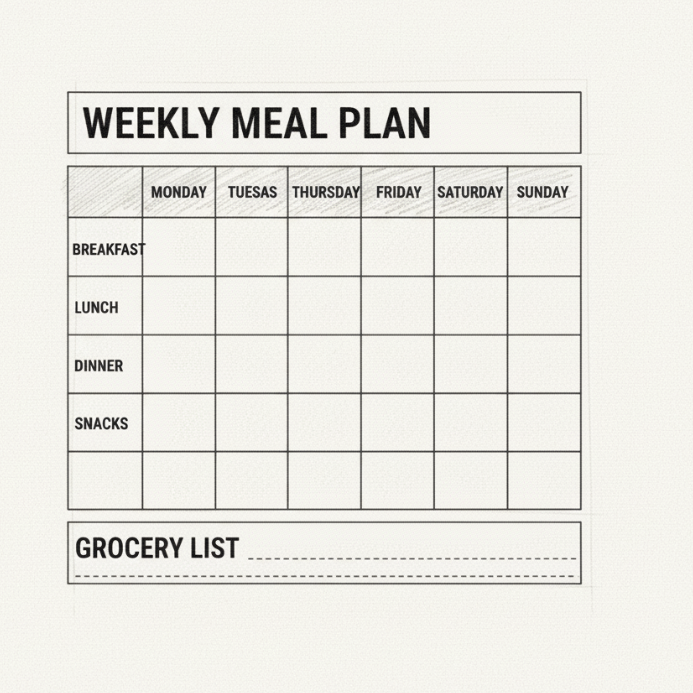
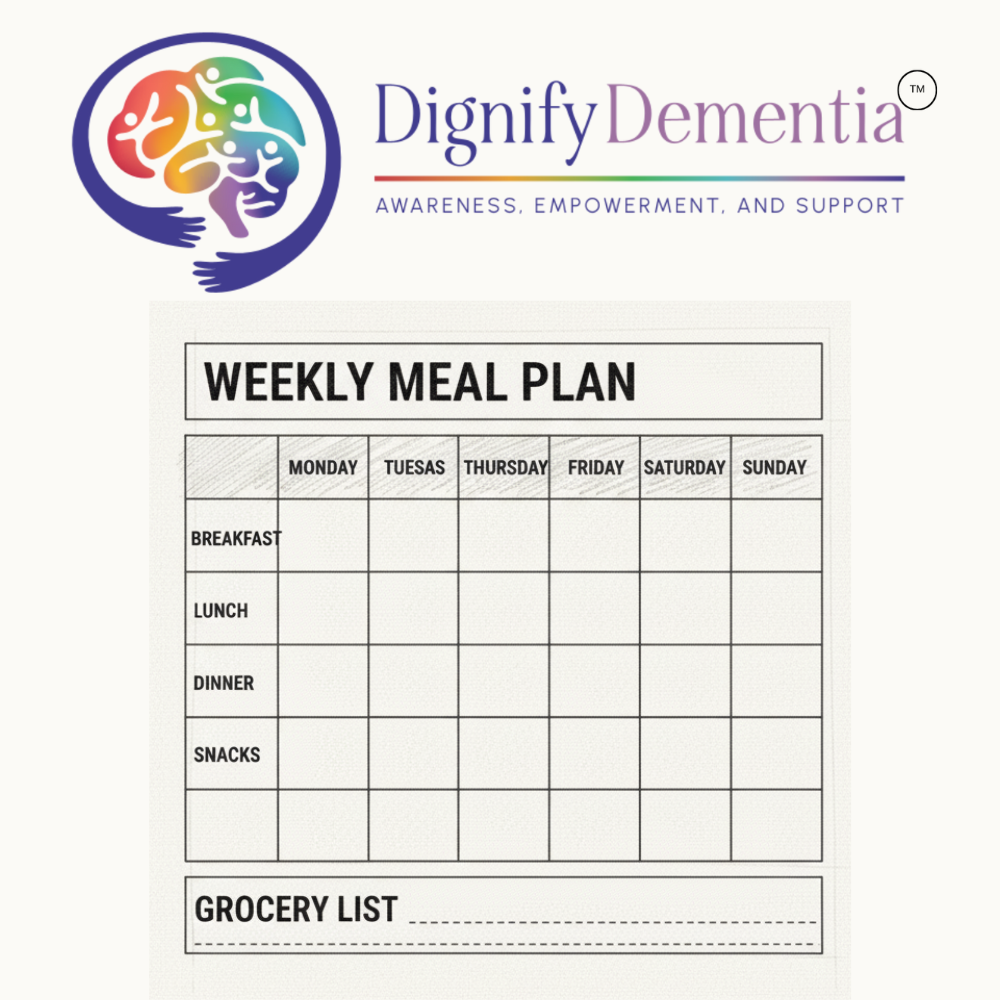
Eating Today Guide
This is the second step in the toolkit. Slip the downloaded document into the other side of the transparency with the calendar in it. You'll choose 1 breakfast, 1 lunch/snack and 1 dinner so you can track what you eat.
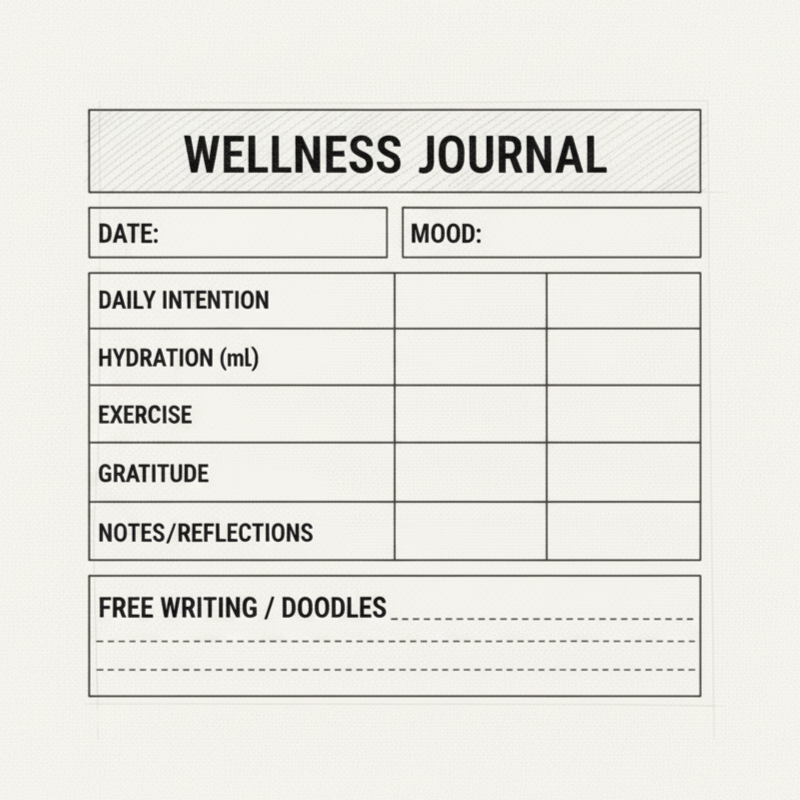
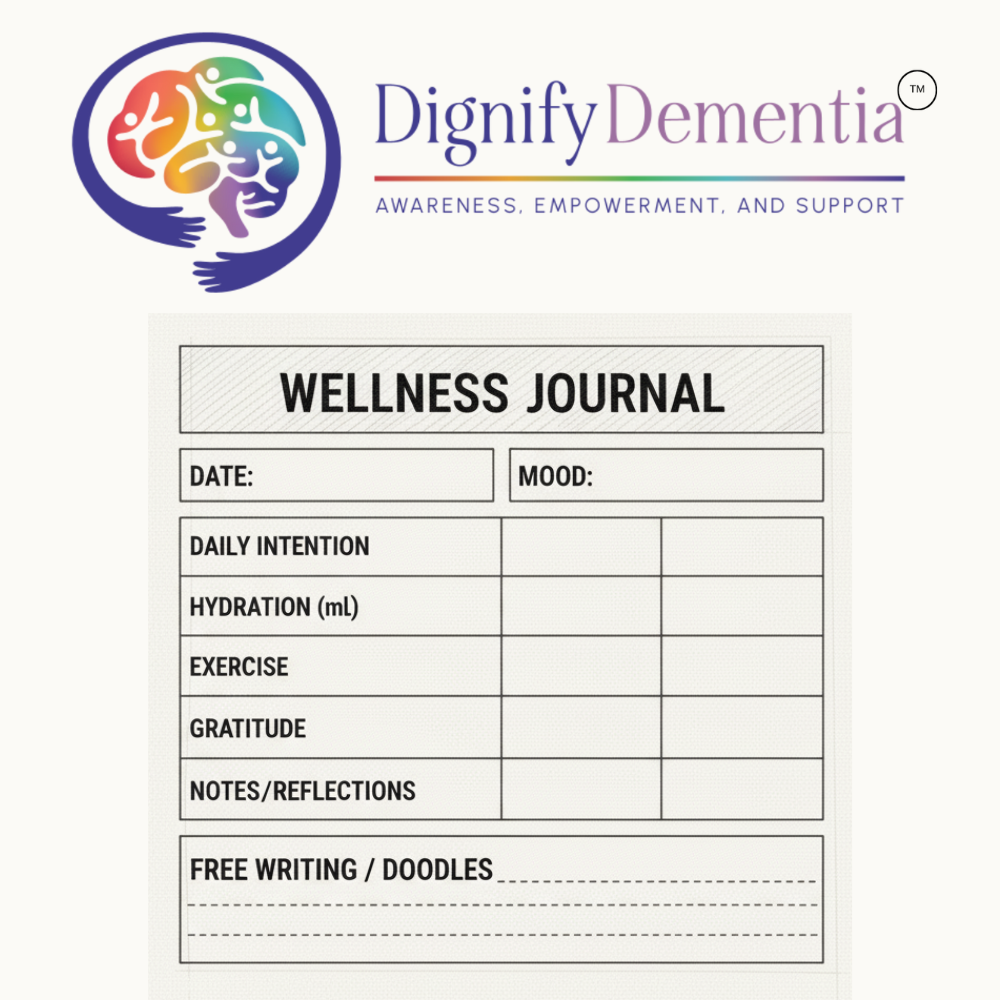
Wellness Journal Sheet
This is the third piece in the toolkit. The Wellness Journal sheet is what helps you organize a routine that works for you or just documents the routine you already have in place.
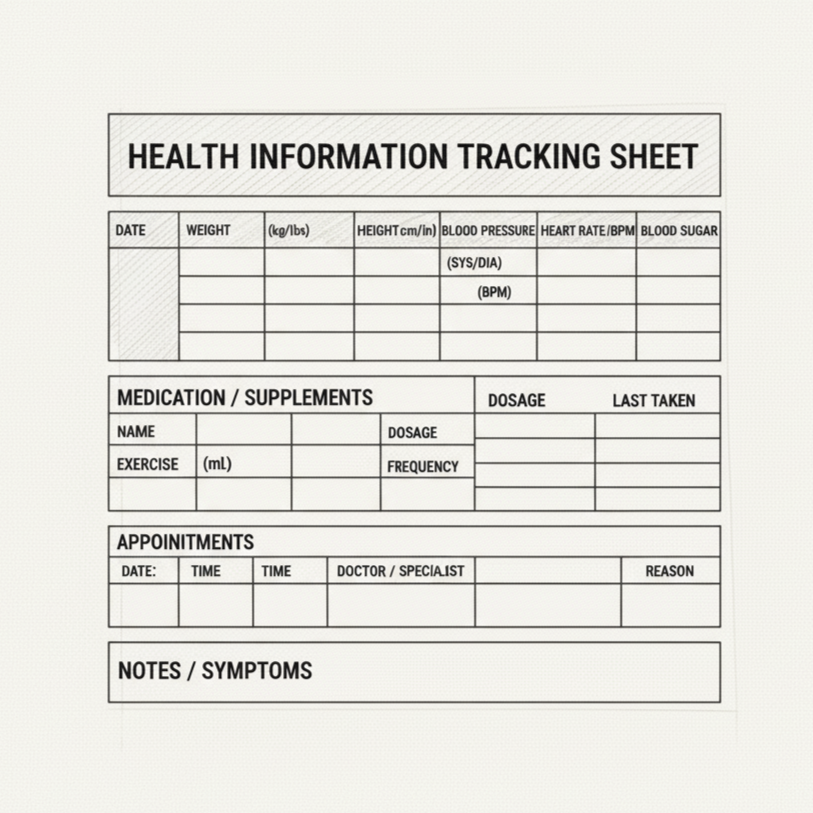
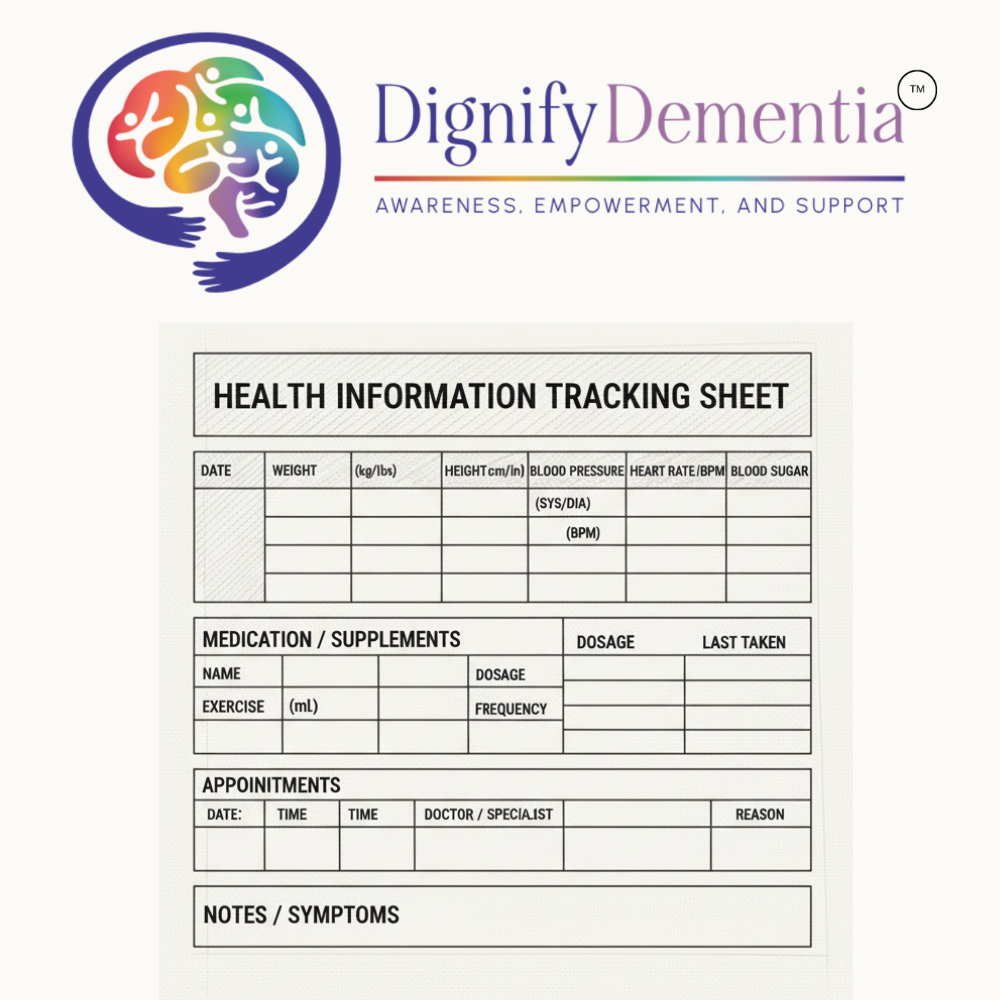
Health Information Tracking Sheet
This is the fourth piece in the toolkit. The Medical Information Form is a fillable form for you to fill out that has your complete list of providers, your major medical conditions (i.e. Dementia, Parkinson's, etc.), most recent hospitalizations, vaccine status, current prescription, supplement, and over-the-counter meds you're currently taking, as well as any allergies and lifetime surgeries. This form will save you time filling out paperwork for any new healthcare providers and can aid you in deciding on an insurance plan or Medicare Supplement.
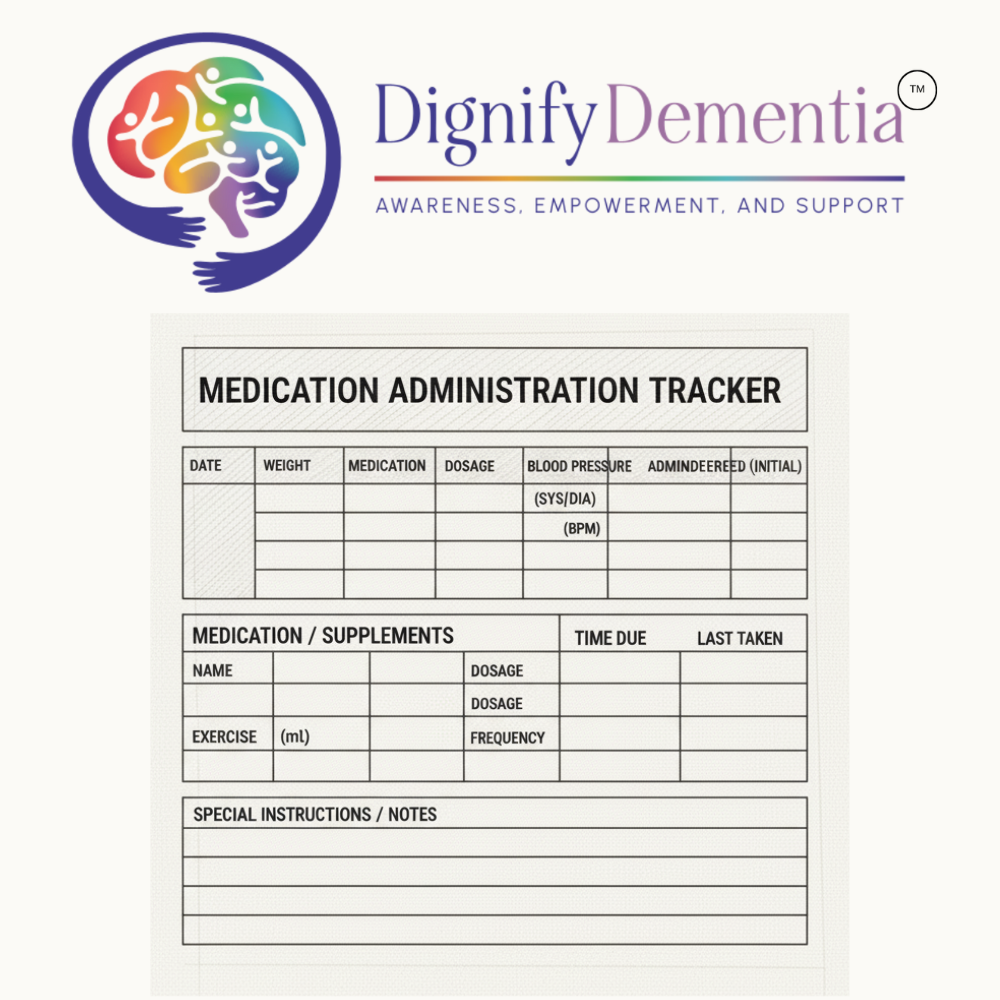
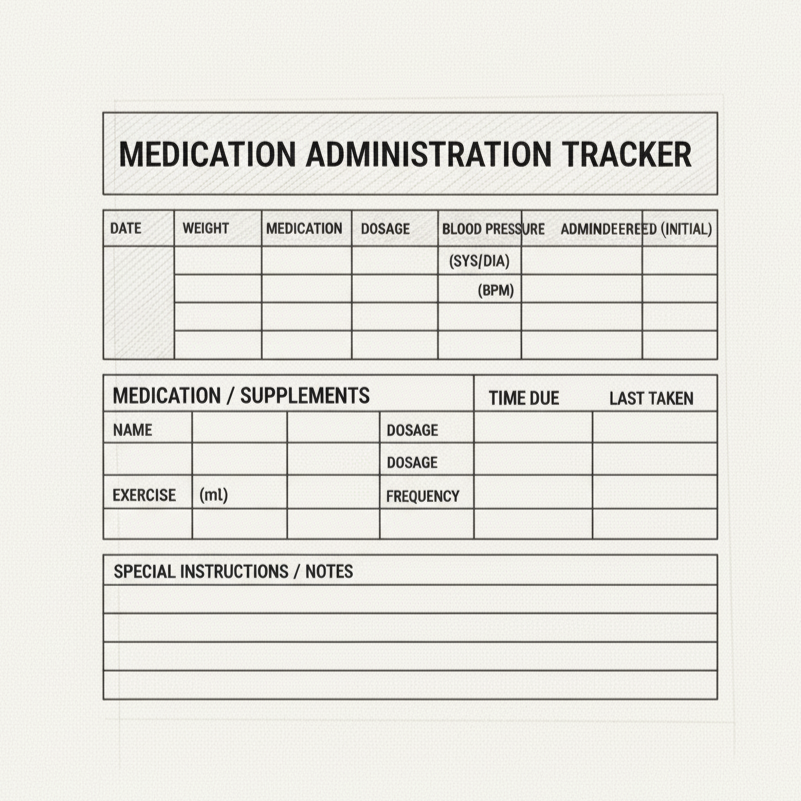
Medicine Administration Tracking sheet
This is the final piece in the toolkit. The Medicine Tracking Sheet is a fillable form that helps prevent costly medication errors. There is space to list up to 4 medications that require extra care in tracking like narcotics, benzodiazepines, muscle relaxants and other pain medications (ex. lidocaine patches).

You will be given access via our wellness portal for further instructions and the download links for your sheets.
After entering your name and email you will receive an email with your login and additional information.
Please reach out with any questions.

Calendar
This is the first step to the toolkit. Slip the downloaded document into a transparency and use a dry erase marker, so you may track the month, the day, and the year.
Meal Planning Guide
This is the second step in the toolkit. Slip the downloaded document into the other side of the transparency with the calendar in it. You'll choose 1 breakfast, 1 lunch/snack and 1 dinner so you can track what you eat.
Wellness Journal Sheet
This is the third piece in the toolkit. The Wellness Journal sheet is what helps you organize a routine that works for you or just documents the routine you already have in place.
Health Information Tracking Sheet
This is the fourth piece in the toolkit. The Medical Information Form is a fillable form for you to fill out that has your complete list of providers, your major medical conditions (i.e. Dementia, Parkinson's, etc.), most recent hospitalizations, vaccine status, current prescription, supplement, and over-the-counter meds you're currently taking, as well as any allergies and lifetime surgeries. This form will save you time filling out paperwork for any new healthcare providers and can aid you in deciding on an insurance plan or Medicare Supplement.
Medicine Administration Tracking Sheet
This is the final piece in the toolkit. The Medicine Tracking Sheet is a fillable form that helps prevent costly medication errors. There is space to list up to 4 medications that require extra care in tracking like narcotics, benzodiazepines, muscle relaxants and other pain medications (ex. lidocaine patches).